
Now That I’m Baptized,
What’s Next?
The Steps and Insights to Retaining Newly Baptized Members
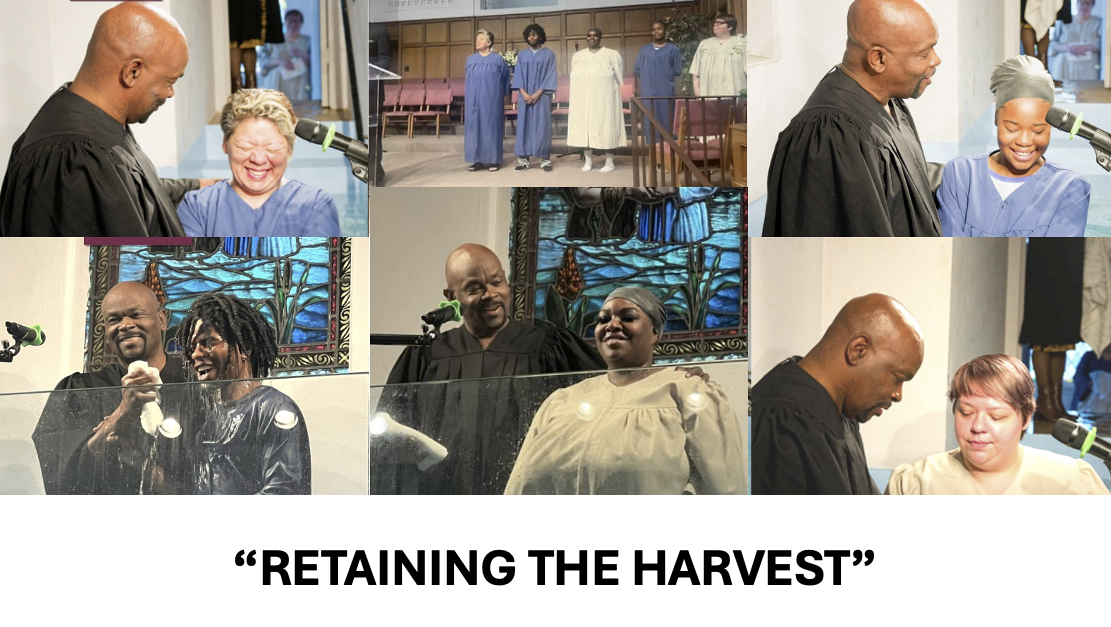
The Sacred Beginning

Baptism is the Beginning not the End
The Importance of Baptism
Baptism is one of the most defining moments in the Christian life. It represents repentance (Acts 2:38), union with Christ (Rom 6:4), cleansing from sin, and public identification with Jesus as Lord. The church celebrates, heaven rejoices (Luke 15:7), and the believer experiences profound spiritual joy. Yet once the service concludes and the applause fades, a deeply important question often emerges: Now that I’m baptized, what’s next?
This question is not a weakness of faith; it is evidence of spiritual awareness. In fact, it reveals a biblical instinct. Throughout the New Testament, baptism was never presented as the culmination of faith but as the entrance into discipleship. The early church did not baptize and then release converts into spiritual independence. Instead, Scripture tells us that new believers “devoted themselves to the apostles’ teaching and the fellowship, to the breaking of bread and the prayers” (Acts 2:42). Devotion followed decision. Community followed conversion. Instruction followed immersion.
Baptism is the beginning of transformation, not its completion. Understanding what follows baptism is critical, not only for individual growth but also for church retention and spiritual health. When discipleship is unclear, new believers often drift. When discipleship is intentional, believers mature. This blog seeks to clarify that pathway.
Baptism is a defining moment in the Christian’s Life.
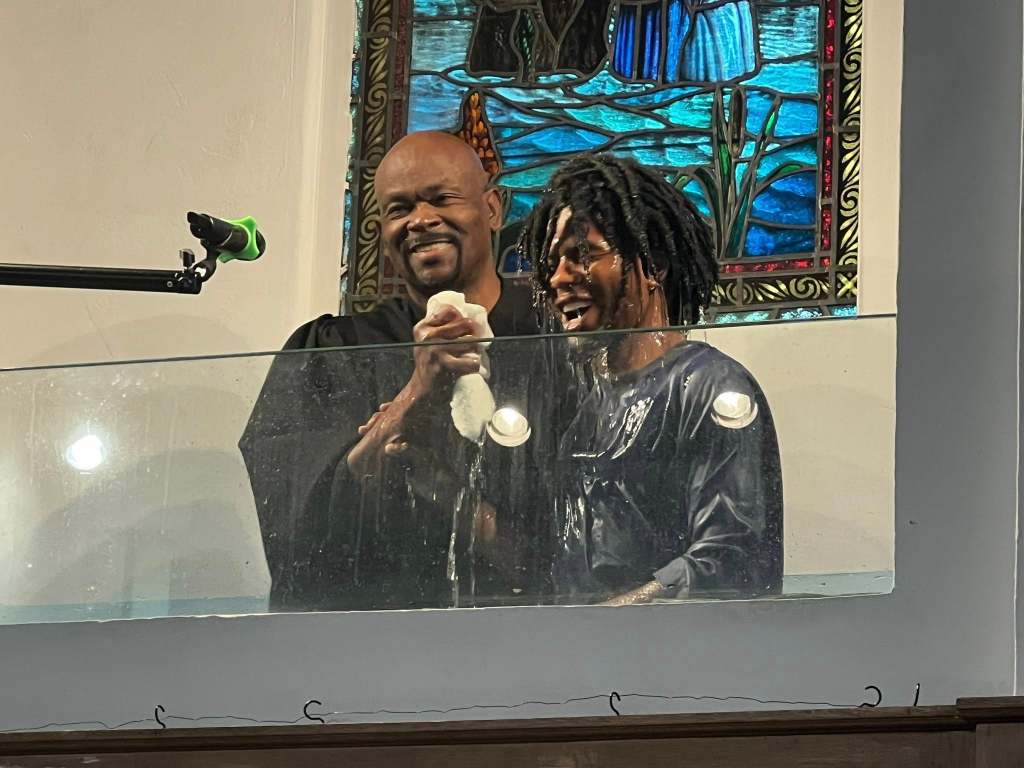

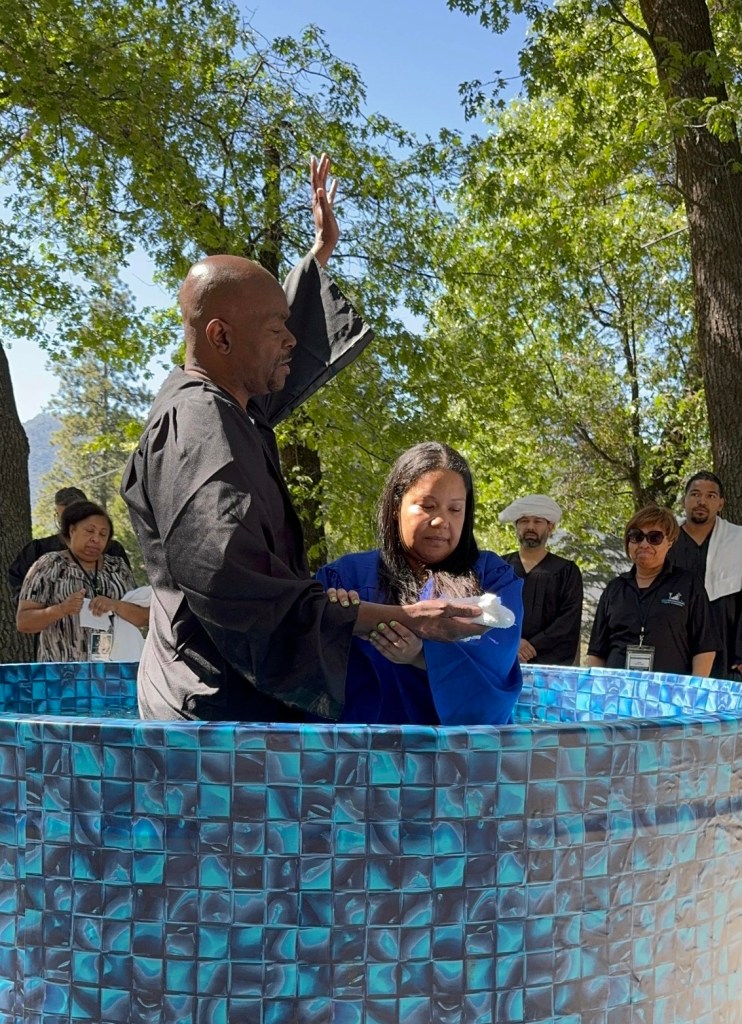
After baptism, the candidate should continue receiving Bible Studies.
Baptism as Entry into
a Lifelong Journey
Jesus Himself established the pattern in the Great Commission: “Go therefore and make disciples of all nations, baptizing them… teaching them to observe all that I have commanded you” (Matt 28:19-20, ESV). Notice the sequence. Baptism is not the final verb; teaching is. The participle “teaching” indicates ongoing formation. Christ did not commission the church to produce baptized converts alone but obedient disciples. This distinction matters.
Robby Gallaty argues that discipleship is “intentional spiritual formation that leads believers toward maturity and multiplication.”[1] Discipleship is not passive absorption of religious content; it is structured transformation. Baptism initiates identity, but discipleship cultivates maturity. St. Paul reinforces this developmental language in Colossians 2:6-7: “As you received Christ Jesus the Lord, so walk in him, rooted and built up in him and established in the faith.” The metaphors are organic and architectural, rooted (agricultural), built up (construction), and established (legal firmness). Growth is progressive and cumulative.
Therefore, what comes after baptism is not spiritual maintenance; it is spiritual construction.
[1] Robby Gallaty, Replicate: How to Create a Culture of Disciple-Making Right Where You Are (Nashville: B&H Publishing, 2020), 34.

“Baptism is not Spiritual maintenance; it is Spiritual construction. It is the outward sign of an inward change.
Baptism initiates identity, but discipleship cultivates maturity.”

The newly baptized candidates should be trained to be a soul-winner for Christ.
Structurally, a blog completes the six-part discipleship progression: Baptism, Belonging, Formation, Grace, Service, and finally Multiplication.
The Necessity of Ongoing Spiritual Formation
New believers require direction, clarity, and structure. Without guidance, spiritual enthusiasm can dissipate. With intentional development, enthusiasm becomes endurance. Gallaty argues that disciple-making cultures thrive when churches create intentional rhythms of teaching, accountability, and replication.[1] He argues that believers must be shown how to study Scripture, pray effectively, and live missionally rather than assuming they will intuitively discover these practices. This aligns with St. Paul’s rebuke of believers for remaining immature due to a lack of continued instruction. (Hebrews 5:12-14). Spiritual infancy is natural at conversion, but prolonged infancy is not.
After baptism, believers should be guided into:
Biblical Literacy – Learning how to read, interpret, and apply Scripture responsibly.
Doctrinal Stability – Understanding foundational Christian teachings.
Spiritual Disciplines – Prayer, fasting, stewardship, worship.
Character Formation – Developing Christlike virtues (Gal 5:22–23).
Missional Awareness – Participating in the Great Commission. Daniel Im argues that churches often struggle not because they lack passion but because they lack clear discipleship pathways.[2] Without defined steps, new believers cannot discern how to move from conversion to contribution. Clarity produces confidence. Thus, baptism should be immediately followed by structured mentoring and teaching environments that answer practical questions:
How do I study the Bible?
How do I hear God’s voice?
How do I overcome temptation?
How do I discover my spiritual gifts?
How do I serve?
Clarity strengthens commitment.
[1] Ibid., 52.
[2] Daniel Im, No Silver Bullets: Five Small Shifts That Will Transform Your Ministry (Nashville: B&H Publishing, 2017), 60–62.
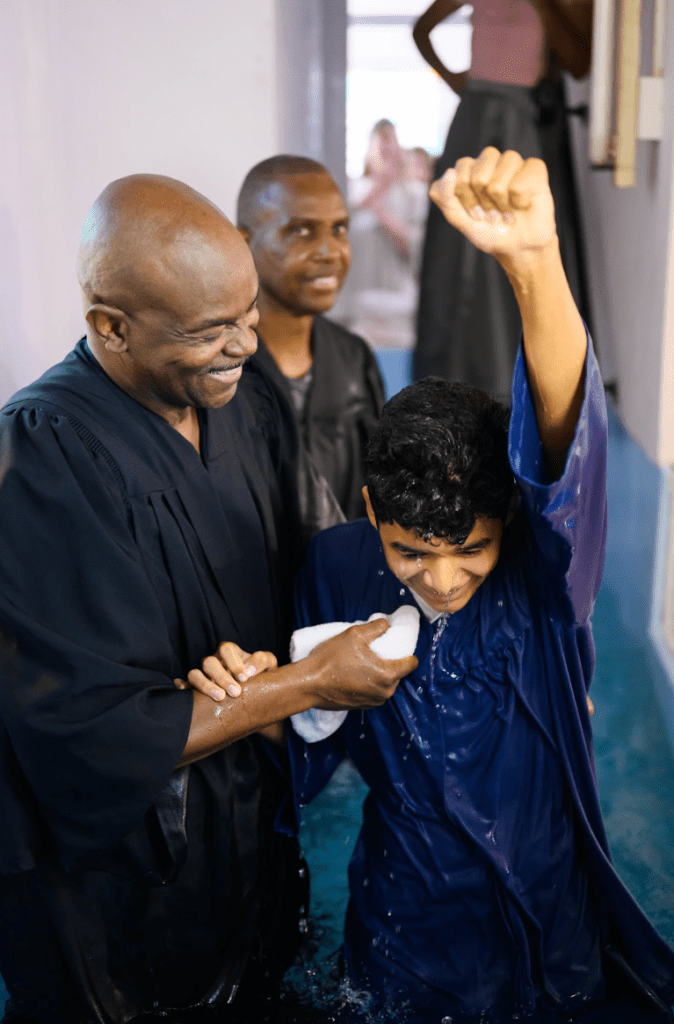
Guarding Against
Post-Baptism Drift
Statistics consistently reveal that many new believers disengage within the first year of conversion if intentional follow-up is absent. Theologically, this drift often stems from unrealistic expectations. New believers may expect immediate spiritual victory without understanding progressive sanctification.
St. Paul reassures believers that God completes what He begins. (Philippians 1:6). Spiritual growth involves seasons of struggle and refinement. Baptism initiates justification; discipleship nurtures sanctification. Nieuwhof warns that unaddressed discouragement often leads to silent disengagement.[1] Churches must proactively cultivate supportive environments where questions are welcomed and doubts are processed biblically. Retention is not merely about attendance, it is about spiritual vitality.
[1] Nieuwhof, Didn’t See It Coming, 143.
Discovering Purpose: From Conversion to Contribution
St. Paul reminds believers that they are “created in Christ Jesus for good works” (Eph 2:10). Salvation is not merely rescue from sin but commissioning into mission. Baptism signifies a new identity; service expresses that identity. Im argues that churches must create a clear movement from belief to belonging to becoming.[1] Believers grow stronger when they contribute rather than consume. Ministry involvement accelerates spiritual depth because practice reinforces conviction.
Spiritual gifts discovery is therefore a critical step after baptism. St. Paul affirms that every believer is gifted by the Spirit. When new believers identify and deploy their gifts, they experience ownership within the body of Christ. (Rom 12:6-8, 1 Cor 12:4-11). Service also combats passivity. It transforms faith from abstract belief into embodied obedience. The Apostle James urges believers to be “doers of the word, and not hearers only” (James 1:22).
Where can I serve immediately?
What training do I need?
Who can coach me in ministry?
How can I share my testimony?
Multiplication begins when maturity deepens.
[1] Im, No Silver Bullets, 78.
“Salvation is not merely rescue from sin but commissioning into mission. Baptism signifies a new identity; service expresses that identity.“

Fellowship is important for church retention.
A Theology of Continuity: Baptism and Perseverance
The New Testament presents salvation as both decisive and enduring. While conversion is immediate, perseverance is ongoing (Heb. 3:14). Discipleship sustains perseverance. Paul describes Christian life as a race requiring endurance (1 Cor 9:24-27). Growth requires discipline, focus, and support.Thus, what follows baptism is not spiritual coasting but spiritual cultivation.
The church must communicate clearly: You will face temptation, but you are not alone.
You will have questions, but answers are available. You will experience growth, but it requires intentional effort.
Clarity prevents confusion.
Newly baptized members are to be educated in inreach and outreach ministries, to help replicate the church’s mission and spiritual growth.

Continual Spiritual Growth is Essential.
Join 900+ subscribers
Stay in the loop with everything you need to know.

 Commitment to Excellence in Soul Winning!